What Counts as a Dental Emergency in Santa Rosa? (And What to Do Next)

Dental problems rarely happen at a convenient time. Sudden pain, swelling, or a chipped tooth can leave you unsure whether to wait things out or seek immediate care. Knowing the difference between a minor issue and a true emergency helps you act quickly, protect your oral health, and avoid unnecessary complications. If you’re uncertain, scheduling a dental appointment helps you get quick guidance and ease your concerns.

So, what exactly counts as a dental emergency?

A good rule of thumb is this: if you’re experiencing significant pain, ongoing bleeding, visible damage to a tooth, or a situation that could lead to permanent harm if left untreated, it’s time to seek immediate care. Dental emergencies typically require prompt attention to stop pain, prevent infection, or avoid long-term complications that could affect both your smile and your overall health. For a clearer breakdown of common dental emergencies, keep reading.

Severe Tooth Pain That Won’t Go Away

One of the most common reasons people seek out an emergency dentist is severe tooth pain that doesn’t improve or keeps returning. Persistent, throbbing, or sharp pain often signals an underlying issue such as an infection, deep decay, or an abscess. These conditions rarely resolve on their own and can worsen rapidly if ignored.

You may also notice increased sensitivity to hot or cold foods, pain when biting down, swelling around the gums or jaw, or a bad taste in your mouth. These symptoms suggest that the problem extends below the surface of the tooth. Prompt evaluation is important, as early treatment can relieve pain and prevent the infection from spreading to surrounding tissues.

Broken or Cracked Tooth

A cracked, chipped, or broken tooth is another clear dental emergency, especially if pain or sensitivity is present. These injuries often happen during sports, accidents, falls, or even while chewing something unexpectedly hard. While a small chip may seem harmless at first, any damage to a tooth can expose its inner layers.

Once the protective enamel is compromised, the tooth becomes more vulnerable to bacteria, infection, and further breakage. Seeking broken tooth repair as soon as possible helps preserve the tooth’s structure, restore function, and reduce the risk of needing more extensive treatment later.

Traumatic Dental Injury or Knocked-Out Tooth

Traumatic injuries to the mouth, including knocked-out or displaced teeth, should always be treated as urgent situations. Timing is critical, acting quickly can sometimes make the difference between saving and losing a tooth entirely.

If a tooth is knocked out, handle it carefully by the crown (the visible part), avoiding contact with the root. Gently rinse it if it is dirty, but do not scrub it. If possible, place the tooth back into its socket or store it in milk while you get to a dental office immediately. Even injuries that don’t involve a completely lost tooth should be evaluated right away, as damage to nerves or supporting structures may not be immediately obvious.

Facial or Jaw Swelling

Swelling in the face, jaw, or gums should never be ignored. This type of swelling often points to a dental infection that has spread beyond the tooth and into surrounding tissues. In some cases, the swelling may be accompanied by pain, fever, or difficulty opening your mouth.

Left untreated, oral infections can spread and impact more than just your dental health. They can affect your overall well-being. Immediate dental care in these situations is essential not only for comfort, but also to prevent serious health risks.

Bleeding Gums, Lost Fillings, or Crowns

Any bleeding from the gums, whether during brushing, flossing, is not normal and should not be ignored. Healthy gums do not bleed. Heavy or persistent bleeding after an injury, extraction, or dental procedure requires prompt attention. Ongoing bleeding can indicate tissue damage or problems with healing that should be addressed right away.

Lost fillings or crowns also tend to happen at the most inconvenient times. Even if they don’t cause pain immediately, they leave the underlying tooth exposed and vulnerable to sensitivity, decay, and further damage. Replacing them quickly helps protect the tooth and prevents the situation from escalating into a more serious emergency.

If you’re ever unsure whether your situation qualifies as a dental emergency, it’s always better to err on the side of caution. Contact us at (707) 573-0600 for guidance. Our dentists will help you determine the next best step. In many cases, early intervention can prevent a small dental issue from turning into a much larger, and more costly, problem down the line.

Start the Year Cavity-Free: Your Dental Checklist

A new year brings a sense of renewal. After the holidays wind down and life returns to a more regular rhythm, many people feel motivated to refocus on their health. If dental care slipped during the busy season, now is the perfect time to make it part of your fresh start.

January is an excellent time to schedule your dental checkup, before the year gets busy. Booking early helps you stay ahead of potential issues and take full advantage of preventive care while your calendar is still flexible.

This simple, practical dental checklist can help you start the year cavity-free and keep your smile healthy throughout.

1. Dental Insurance

Many dental insurance plans reset at the start of the year, which means your benefits are once again available. Scheduling your dental checkup early can help you address any wear and tear from the holiday season.

A routine exam and professional cleaning help remove plaque that has built up and detect early signs of cavities before they become more serious.

2. Upgrade Worn-Out Toothbrushes and Supplies

Your toothbrush works hard, but it doesn’t last forever. If the bristles are worn or you’ve been using the same brush for more than three months, it’s time for a new one.

New dental tools clean more effectively and help prevent plaque from forming along the gumline.

While you’re at it:

  • Use a fluoride toothpaste
  • Keep floss easily accessible so you’ll actually use it
  • Ask your dentist if a mouthwash might be beneficial for your routine

Small changes can make daily dental care feel easier and more effective.

3. Recommit to Daily Brushing and Flossing

Busy holiday schedules can throw off even the best routines. January is a great time to rebuild those habits.

Aim to:

  • Brush twice a day
  • Floss once a day, even if just before bed
  • Avoid brushing right after eating or drinking something acidic; wait about 30 minutes instead

These basic habits remain the strongest defense against cavities and gum disease.

4. Be Mindful of Snacking Habits

Even foods that appear harmless can contribute to cavities if eaten frequently throughout the day. Sugary, sticky, or acidic foods feed the bacteria that cause tooth decay.

To protect your teeth:

  • Drink water after snacks when possible
  • Limit constant grazing
  • Try to enjoy sweets with meals instead of between them

Allowing your teeth time to recover between meals makes a noticeable difference.

5. Drink More Water

Water helps wash away food particles and bacteria while supporting saliva production, which naturally protects your teeth.

Dry mouth can increase the risk of cavities, especially during colder months when people tend to drink less.

Making water your main beverage is a simple habit that benefits your overall health and your smile.

6. Don’t Ignore Minor Dental Concerns

Sensitivity, occasional gum bleeding, or a filling that feels slightly off may not seem urgent, but they’re worth addressing early. Small issues are usually easier and less expensive to treat when caught sooner rather than later.

If you’ve had something bothering you, bring it up at your next appointment.

A Fresh Start for Your Smile

January is about setting the tone for the rest of the year. Taking a few minutes now to refresh your daily habits can help you avoid unexpected toothaches, emergency visits, and costly treatments later on. 

Start the year strong by giving us a call at (707) 573-0600 to book your dental checkup and give your smile the care it deserves.

7 Christmas Dental Tips for a Cavity-Free Holiday

The festive season is around the corner, a time for sweet treats, delicious dinners, and joyful celebrations. But with all the holiday snacking, your teeth may face a higher risk of cavities. The good news? You can still enjoy your favorite Christmas treats while keeping your smile healthy.

If you want to start the season with strong, cavity-free teeth, schedule your holiday or post-holiday checkup with Buzza Dental Group today. Call (707) 573-0600, we’d love to help you protect your smile through every celebration.

Here’s how to keep your smile bright, healthy, and cavity-free throughout the holiday season.

1. Limit Sugary Snacks Between Meals

Holiday cookies, chocolates, and candies are everywhere this time of year—but frequent snacking exposes your teeth to sugar all day long. When sugar sits on your teeth for extended periods, it feeds harmful bacteria that produce acids, increasing your risk of cavities. Instead of grazing, enjoy sweets with meals when saliva production is higher and better able to protect your enamel.

Quick tip: Pick your favorite treats and skip the ones you don’t truly love.

2. Stay Hydrated With Water

Between hot chocolate, festive lattes, and holiday cocktails, water often gets forgotten. But staying hydrated helps wash away food particles, keeps your mouth from getting dry, and supports healthy saliva flow, your mouth’s natural defense against cavities.

Quick tip: Keep a refillable water bottle with you during gatherings and alternate sugary or alcoholic drinks with water.

3. Stick to Your Brushing and Flossing Routine

Busy holiday schedules, late-night events, and travel can make it tempting to skip brushing or flossing. But this is when your teeth need consistency the most. Plaque builds quickly, especially when you’re indulging in sugary foods.

Quick tip: Brush twice a day for two minutes and floss at least once daily. If you’re traveling, pack a small oral hygiene kit in your bag.

4. Choose Healthier Holiday Snack Options

Holiday spreads often include tooth-friendly choices such as cheese boards, nuts, fruits, and veggie trays. Crunchy fruits and vegetables help clean your teeth naturally, while cheese helps neutralize acids in your mouth and strengthen enamel.

Quick tip: Start with protein-rich or high-fiber snacks before you reach for something sweet.

5. Be Careful With Hard or Sticky Holiday Foods

Toffees, candy canes, peanut brittle, and other hard sweets can crack or chip your teeth if you bite down too forcefully. Sticky treats like caramels or gummy candies can cling to teeth and dental work, increasing the risk of decay or damaging restorations.

To stay safe:

  • Let hard candies dissolve instead of biting them
  • Cut tough foods into smaller pieces
  • Skip treats that feel overly sticky or chewy.

Protecting your teeth from damage helps prevent dental emergencies that could interrupt your holiday fun.

6. Go Easy on Alcohol and Carbonated Drinks

Holiday parties often include cocktails, champagne, and soda, all of which are acidic and can weaken enamel over time. Many alcoholic drinks also contain added sugars that stick to teeth.

Quick tip: Sip slowly, avoid holding drinks in your mouth, and pair beverages with water to minimize acid buildup and staining.

7. Schedule a Post-Holiday Dental Checkup

After a season filled with sweets and celebrations, January is the perfect time for a professional cleaning and dental exam. Your dentist can remove plaque you may have missed, check for early signs of cavities, and help you start the new year with a fresh, healthy smile.

Quick tip: Book your appointment before the year ends— January schedules tend to fill up fast.

Enjoy the Christmas Season Without Compromising Your Smile

The holidays are meant to be enjoyed, and you don’t need to give up your favorite festive treats to protect your dental health. With a little balance and care, you’ll step into the new year cavity-free and still full of Christmas joy.

Is Sedation Dentistry Safe? What Patients in Santa Rosa Should Know

For many patients, visiting the dentist can bring up feelings of anxiety ranging from mild nervousness to profound fear. Sedation dentistry offers a compelling solution, promising a more relaxed and comfortable experience. But a crucial question naturally arises: is it truly safe?

Let’s take a closer look at how sedation dentistry works and what you should know before saying yes to it here in Santa Rosa.

Understanding Sedation Dentistry

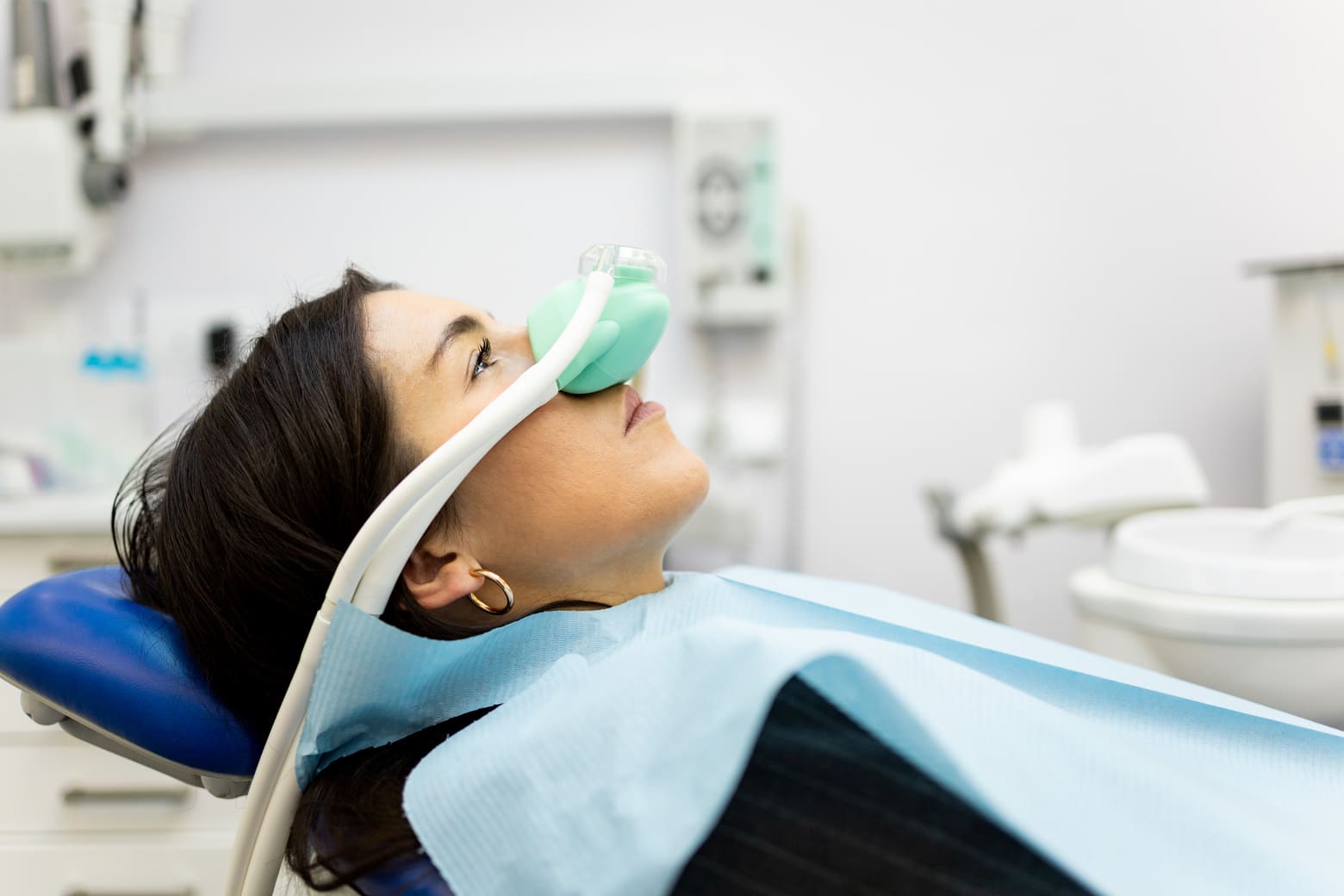
Sedation dentistry refers to using medication to help patients feel calm and relaxed during dental procedures. Depending on the type of sedation, you may feel drowsy or deeply relaxed, but you’ll still be able to respond to your dentist.

There are three common types of dental sedation:

  • Oral sedation – Taken as a pill, this option produces a deeper level of relaxation. You’ll feel sleepy but remain conscious and able to respond.
  • IM sedation. Delivered through an intramuscular injection(usually the upper arm or thigh), this method provides an intermediate level of sedation between oral conscious sedation and IV sedation. It’s ideal for patients who don’t want to be as sleepy as they are in IV sedation, but more relaxed than oral conscious sedation can provide. 
  • IV sedation – Administered intravenously, this allows the dentist to control sedation levels throughout the procedure, often used for patients with severe anxiety or extensive dental work.

Each form of sedation has its own level of depth and recovery time. At Dr. John Buzza, DDS, our team tailors the sedation option to your individual needs and medical background. Our goal is to assess what level of sedation would make our patients most comfortable and provide the best level for their specific treatment.

What Makes Sedation Dentistry Safe?

In California (and most states), the Dental Board strictly regulates who can administer sedation and under what conditions. Dentists and their assistants must complete approved training programs, maintain current certification, and use state-approved monitoring equipment. This ensures patient safety and compliance with healthcare laws

At Buzza Dental Group, here’s how we ensure the process remains safe and stress-free for every patient:

  1. Comprehensive health review – We carefully evaluate your medical history, allergies, medications, and any conditions that might affect sedation, such as sleep apnea or heart concerns.
  2. Certified providers – Our team maintains specialized training and certification in sedation administration and emergency response.
  3. Continuous monitoring – During your procedure, we track your vital signs, including heart rate, oxygen levels, and blood pressure, to ensure you remain stable and relaxed.
  4. Detailed aftercare guidance – Before you leave, we provide clear post-sedation instructions to support a smooth and safe recovery.

Who Might Benefit Most?

While many patients can safely undergo sedation, it’s particularly beneficial for individuals who:

  • Experience moderate to severe dental anxiety or phobia.
  • Have a strong gag reflex.
  • Require extensive or lengthy dental procedures.
  • Have difficulty sitting still for prolonged periods.
  • Have sensitive teeth or low pain tolerance.
  • Are afraid of needles.

Tips and Post-Procedure Care for Santa Rosa Patients

If you’re considering sedation dentistry, preparation and aftercare make all the difference. Here’s what our dental team recommends:

  • Ask questions ahead of time. Discuss what level of sedation we recommend and why it’s right for you.
  • Share your full health history. Be open about any medical conditions, medications, or supplements you take.
  • Plan for a safe ride home. For oral or IV sedation, arrange for someone to drive you — even if you feel alert afterward.
  • Follow recovery instructions carefully. Rest, avoid driving or operating machinery for the rest of the day, and drink plenty of water.
  • Eat light and soft foods. Stick to gentle meals until you’re fully alert and comfortable.
  • Schedule follow-up visits. Regular check-ins help us ensure everything is healing properly and that you remain confident in your care.

Bottom Line

Our Santa Rosa dental team takes every precaution to ensure your safety and peace of mind, from thorough pre-procedure evaluations to continuous monitoring throughout your visit. If you’ve been putting off dental treatment because of fear or anxiety, schedule an appointment with us or contact our office at (707) 573-0600. We’ll take the time to talk through your concerns and discuss how we can make your visit as calm and comfortable as possible.

The Truth About Teeth Whitening: Pro vs DIY Options

Are you dreaming of a brighter, more dazzling smile? You’re not alone! Teeth whitening has become increasingly popular, with options ranging from professional treatments to DIY kits. But what’s the real scoop on teeth whitening? Let’s dive into the world of pearly whites and uncover the truth about professional and at-home options.

Professional Teeth Whitening: The Gold Standard

When it comes to achieving that Hollywood smile, professional teeth whitening is hard to beat. Here’s why:

Customized Treatment

At Buzza Dental Group, Dr. John Buzza, DDS, tailors each whitening treatment to your unique needs. We consider factors like tooth sensitivity, existing dental work, and your desired shade to ensure the best results.

Powerful, Safe Ingredients

Professional whitening solutions contain higher concentrations of active ingredients, allowing for more dramatic results in less time. Plus, we monitor the process to ensure your safety and comfort.

Long-lasting Results

With proper care, professional whitening can keep your smile bright for months or even years.

DIY Teeth Whitening: Convenience at a Cost

Over-the-counter whitening products offer a more affordable and convenient option. However, they come with some drawbacks:

Limited Effectiveness

DIY kits contain lower concentrations of whitening agents, which means less dramatic results and longer treatment times.

One-Size-Fits-All Approach

Unlike professional treatments, at-home kits don’t account for individual needs or sensitivities.

Potential for Misuse

Without professional guidance, it’s easy to overuse whitening products, leading to tooth sensitivity or enamel damage.

Whitening vs. Bleaching: What’s the Difference?

You may have heard both terms used interchangeably, but there’s a distinction:

Whitening: Restores teeth to their natural color by removing surface stains.
Bleaching: Uses chemicals to whiten teeth beyond their natural shade.

Professional treatments often involve bleaching, while many DIY options focus on whitening.

Teeth Whitening Cost Comparison

When considering the best teeth whitening treatment for you, cost is likely a factor. Here’s a quick breakdown:

Professional in-office treatment: $500-$1,000
Take-home professional kits: $300-$500
Over-the-counter strips or gels: $20-$100

While professional options have a higher upfront cost, they often provide better, longer-lasting results, potentially saving you money in the long run.

Making the Right Choice for Your Smile

Ultimately, the best teeth whitening treatment depends on your individual needs, budget, and goals. If you’re looking for dramatic, long-lasting results and personalized care, professional whitening at Buzza Dental Group is the way to go.

Ready to brighten your smile? Give us a call at (707) 573-0600 to schedule a consultation. We’ll help you achieve the dazzling smile you’ve always wanted, safely and effectively.

Protect Your Smile: Fall Sports and Dental Safety

As the leaves start to change and the air turns crisp, many of us are gearing up for our favorite fall sports. Whether you’re hitting the football field, lacing up your cleats for soccer, or getting ready for a season of basketball, it’s crucial to remember that your smile needs protection too. Let’s dive into why sports mouthguard protection is essential and how you can keep your pearly whites safe while enjoying your favorite activities.

The Importance of Protecting Your Smile

Dental injuries in sports are more common than you might think. From chipped teeth to more severe issues like knocked-out teeth, the risks are real. In fact, athletes are 60 times more likely to suffer dental damage when not wearing a mouthguard. That’s a statistic that should make us all sit up and take notice!

Types of Mouthguards

When it comes to mouthguards, you have a few options:

  • Stock mouthguards: These are ready-made and the least expensive, but they offer minimal protection and can be uncomfortable.
  • Boil-and-bite mouthguards: These can be molded to your teeth after being softened in hot water.
  • Custom-fitted mouthguards: These are made by your dentist specifically for your mouth.

While all of these offer some level of protection, the benefits of custom mouthguards far outweigh those of the other options. They provide the best fit, comfort, and protection, making them the top choice for athletes of all levels.

Beyond Protection: The Hidden Benefits of Mouthguards

Mouthguards do more than just protect your teeth. They can also:

  • Reduce the risk of concussion
  • Protect your jaw from fractures
  • Prevent cuts and bruises to your lips and cheeks

By investing in a quality mouthguard, you’re not just protecting your smile — you’re safeguarding your overall health.

What to Do in a Dental Emergency

Despite our best efforts, accidents can still happen. If you find yourself dealing with a knocked-out tooth emergency, time is of the essence. Here’s what to do:

  1. Retrieve the tooth, holding it by the crown (not the root)
  2. Rinse it gently with water if it’s dirty
  3. Try to reinsert it in the socket if possible
  4. If you can’t reinsert it, keep it moist in milk or saliva
  5. Get to a dentist as quickly as possible — ideally within 30 minutes

Remember, quick action can mean the difference between saving and losing the tooth!

Your Partner in Dental Health

At Buzza Dental Group, we’re passionate about keeping your smile healthy and beautiful, both on and off the field. We offer custom-fitted mouthguards that provide superior protection and comfort. Don’t let dental injuries sideline you this season — give us a call at (707) 573-0600 to schedule an appointment and discuss your mouthguard options.

Stay safe, have fun, and keep smiling this fall sports season!

Overcoming Dental Anxiety: Comfort at Buzza Dental

Let’s face it: dental anxiety is a real thing, and it affects more people than you might think. If the thought of sitting in a dental chair makes your palms sweat and your heart race, you’re not alone. At Buzza Dental Group, we understand these fears and have made it our mission to provide comfortable dental care for all our patients in Santa Rosa.

Understanding Dental Anxiety

Dental anxiety can stem from various sources — past experiences, fear of pain, or even the unfamiliar sounds and smells of a dental office. Whatever the cause, it’s essential to address these concerns to maintain good oral health.

Proven Strategies for a Comfortable Dental Visit

1. Open Communication

The first step in overcoming dental anxiety is to talk about it. Dr. John Buzza, DDS, and our team are here to listen. We encourage you to share your concerns, ask questions, and let us know what makes you uncomfortable. This open dialogue helps us tailor your experience and provide solutions that work for you to overcome your fear of the dentist.

2. Relaxation Techniques

Simple relaxation methods can make a world of difference:

  • Deep breathing exercises
  • Progressive muscle relaxation
  • Visualization of a calm, happy place

These techniques can help reduce anxiety and promote a sense of calm during your visit.

3. Distraction Methods

Sometimes, taking your mind off the dental procedure can help ease anxiety. We offer:

  • TVs in treatment rooms
  • Headphones for listening to music or podcasts
  • Stress balls or fidget toys to keep your hands occupied

4. Sedation Dentistry Options

For those with more severe dental anxiety, sedation dentistry might be the answer. We offer various levels of sedation to ensure your comfort:

  • Nitrous oxide (laughing gas) for mild anxiety
  • Oral sedation for moderate anxiety
  • IV sedation for severe anxiety or complex procedures

These options allow you to receive necessary dental care while feeling relaxed and at ease.

Creating a Comfortable Environment

At Buzza Dental Group, we’ve designed our office with your comfort in mind. From the soothing decor to the friendly faces of our staff, every aspect of our practice is geared towards making your visit as pleasant as possible.

The Importance of Regular Dental Visits

While dental anxiety treatment is crucial, it’s equally important to maintain regular dental check-ups. Consistent visits can prevent small issues from becoming major problems, potentially reducing the need for more extensive (and potentially anxiety-inducing) procedures down the line.

Remember, your oral health is connected to your overall well-being. By addressing your dental anxiety and finding solutions that work for you, you’re taking an important step towards a healthier, happier you.

At Buzza Dental Group, we’re committed to providing comfortable dental care that meets your unique needs. If you’re struggling with dental anxiety, don’t hesitate to reach out. Give us a call at (707) 573-0600, and let’s work together to make your next dental visit a positive experience.

Your smile is important to us, and we’re here to help you maintain it — comfortably and confidently.

Oral Health: Your Window to Overall Wellness

Have you ever considered that your oral health could be a window into your overall wellness? It’s true! The health of your mouth, teeth, and gums can have a surprising impact on the rest of your body. At Buzza Dental Group, we’re passionate about helping our patients understand this crucial connection.

The Mouth-Body Connection

Your mouth is teeming with bacteria — most of them harmless. However, poor oral hygiene can lead to an overgrowth of harmful bacteria, potentially causing infections that extend beyond your mouth. This is where the link between dental health and overall wellness becomes apparent.

Oral Health and Heart Disease

Research has shown a potential connection between oral health and heart disease. While the exact mechanism isn’t fully understood, some studies suggest that the inflammation associated with gum disease might play a role in the development of cardiovascular problems.

The Gum Disease-Diabetes Connection

Did you know that there’s a two-way street between gum disease and diabetes? People with diabetes are more susceptible to gum disease, while severe gum disease can potentially impact blood sugar control. This connection between gum disease and diabetes highlights the importance of maintaining good oral health, especially for those managing diabetes.

How Your Oral Health Affects Other Aspects of Your Health

Beyond heart disease and diabetes, your oral health can influence other areas of your body:

  • Respiratory health: Poor oral hygiene may increase the risk of respiratory infections.
  • Pregnancy: Gum disease has been linked to premature birth and low birth weight.
  • Cognitive function: Some studies suggest a potential link between poor oral health and cognitive decline in older adults.

Preventive Dental Care: Your First Line of Defense

Given these connections, it’s clear that preventive dental care is crucial for maintaining not just your oral health, but your overall wellness too. Here are some steps you can take:

1. Brush twice daily and floss regularly
2. Maintain a healthy diet low in sugary foods and drinks
3. Quit smoking if you currently do
4. Schedule regular check-ups and cleanings with Dr. John Buzza, DDS

At Buzza Dental Group, we’re committed to helping you maintain optimal oral health and, by extension, supporting your overall wellness. Our comprehensive general dentistry services are designed to prevent, detect, and treat oral health issues before they can impact your broader health.

Remember, your mouth is more than just a pretty smile — it’s a gateway to your overall health. By taking care of your oral health, you’re taking a significant step towards maintaining your general well-being.

Ready to prioritize your oral and overall health? Give us a call at (707) 573-0600 to schedule your next appointment. Let’s work together to keep your smile bright and your body healthy!

Dental Emergency Travel Tips: Be Prepared Abroad

We’ve all been there — you’re on a dream vacation, sipping a cool drink by the beach, when suddenly you feel a sharp pain in your tooth. Dental emergencies don’t take holidays, and they can certainly put a damper on your travel plans. But fear not! With a little preparation, you can handle most oral health crises while away from home.

Pack Your Dental Travel Kit

Before you jet off to your destination, consider packing a small dental emergency kit. Here’s what you should include:

• Over-the-counter pain relievers
• Dental floss
• Temporary filling material
• Dental wax (for irritating broken braces or wires)
• Cotton balls
• Small container of salt (for warm salt water rinses)

These items can be lifesavers when dealing with common dental emergencies, such as toothaches or broken fillings.

Common Dental Emergencies and Quick Fixes

Toothaches

If you’re experiencing tooth pain, rinse your mouth with warm salt water and use dental floss to remove any food particles stuck between teeth. Take an over-the-counter pain reliever if needed.

Broken Teeth

For broken teeth, rinse your mouth with warm water and apply a cold compress to the outside of the cheek to reduce swelling. If possible, save any broken pieces.

Lost Fillings

If you lose a filling, you can use temporary filling material from your emergency kit as a short-term solution. Remember, this is just a stopgap measure until you can see a dentist.

Finding an Emergency Dentist While Traveling

Sometimes, despite our best efforts, we need professional help. Here are some tips for finding an emergency dentist while away from home:

1. Ask your hotel concierge for recommendations
2. Check with your travel insurance provider for covered dental services
3. Use online resources or apps to locate nearby dentists
4. Contact your home dentist for advice or referrals

Remember, it’s always better to address dental issues promptly rather than waiting until you return home.

Prevention is Key

The best way to avoid dental emergencies while traveling is to take care of your oral health before you leave. Schedule a check-up with Dr. John Buzza, DDS, at Buzza Dental Group before your trip. We can identify and address any potential issues before they become problems during your vacation.

Don’t let dental emergencies ruin your travel plans. With a little preparation and knowledge, you can handle most oral health crises and get back to enjoying your vacation. Safe travels and happy smiling!

If you’re planning a trip and want to ensure your oral health is in top shape, give us a call at (707) 573-0600. We’ll make sure your smile is vacation-ready!

August: The Perfect Month for Major Dental Procedures

As the long days of summer start to wind down, you might be thinking about squeezing in one last beach trip or backyard barbecue. But here’s something else to consider: August is actually the perfect time to schedule those major dental procedures you’ve been putting off. Let’s dive into why this month is ideal for taking care of your oral health.

Beat the Back-to-School Rush

We all know how hectic life gets once school starts up again. Between new schedules, after-school activities, and homework, finding time for dental appointments becomes a real challenge. By scheduling your major dental work in August, you can avoid the September scramble and ensure your oral health is in top shape before the busy fall season kicks in.

Take Advantage of Remaining Insurance Benefits

If you’re like most people, you probably haven’t maxed out your dental insurance benefits for the year. August is a great time to check in on your coverage and make the most of any remaining benefits before they reset in January. Whether you need dental implants or other extensive procedures, using your benefits now can save you money in the long run.

Plenty of Time for Recovery

Major dental procedures like tooth extractions or implant surgeries often require some downtime for recovery. August offers a perfect window for this:

  • Kids are still on summer break, making childcare easier
  • Many workplaces are less busy, allowing for time off
  • You can recover in the comfort of air conditioning during the hot summer days

By scheduling now, you give yourself ample time to heal before the fall rush begins.

Start the School Year with a Confident Smile

For students (or parents) heading back to school, there’s nothing like starting the year with a healthy, confident smile. Whether it’s fixing that troublesome tooth or finally getting those dental implants you’ve been considering, taking care of major dental work now means you or your child can walk into that first day of school feeling great.

Your Dentist Has More Availability

Let’s face it: dental offices tend to get swamped in September as everyone rushes to schedule appointments before the holiday season. By booking your procedure in August, you’re more likely to get the appointment times that work best for you. Plus, with a less hectic schedule, your dentist can dedicate more time and attention to your procedure.

A Word from Dr. John Buzza, DDS

Dr. John Buzza, DDS, believes August is truly an ideal time for major dental work at Buzza Dental Group. We see many patients taking advantage of this quieter month to address their oral health needs. Whether it’s dental implants, tooth extractions, or other procedures, we’re here to help you achieve your best smile before the busy fall season begins.

Remember, your oral health is an important part of your overall well-being. Don’t let the summer slip away without giving your teeth the attention they deserve. If you’ve been putting off that major dental work, now’s the time to act. Give us a call at (707) 573-0600 to schedule your appointment. Your future self (and your smile) will thank you!

Dr. Buzza, DDS

BUZZA DENTAL GROUP

Enriching Lives, Exceeding Expectations

2448 Guerneville Rd. Suite 1200, Santa Rosa, CA 95403
Phone: 707-573-0600 • Fax: 707-324-1234
info@santarosadentist.com