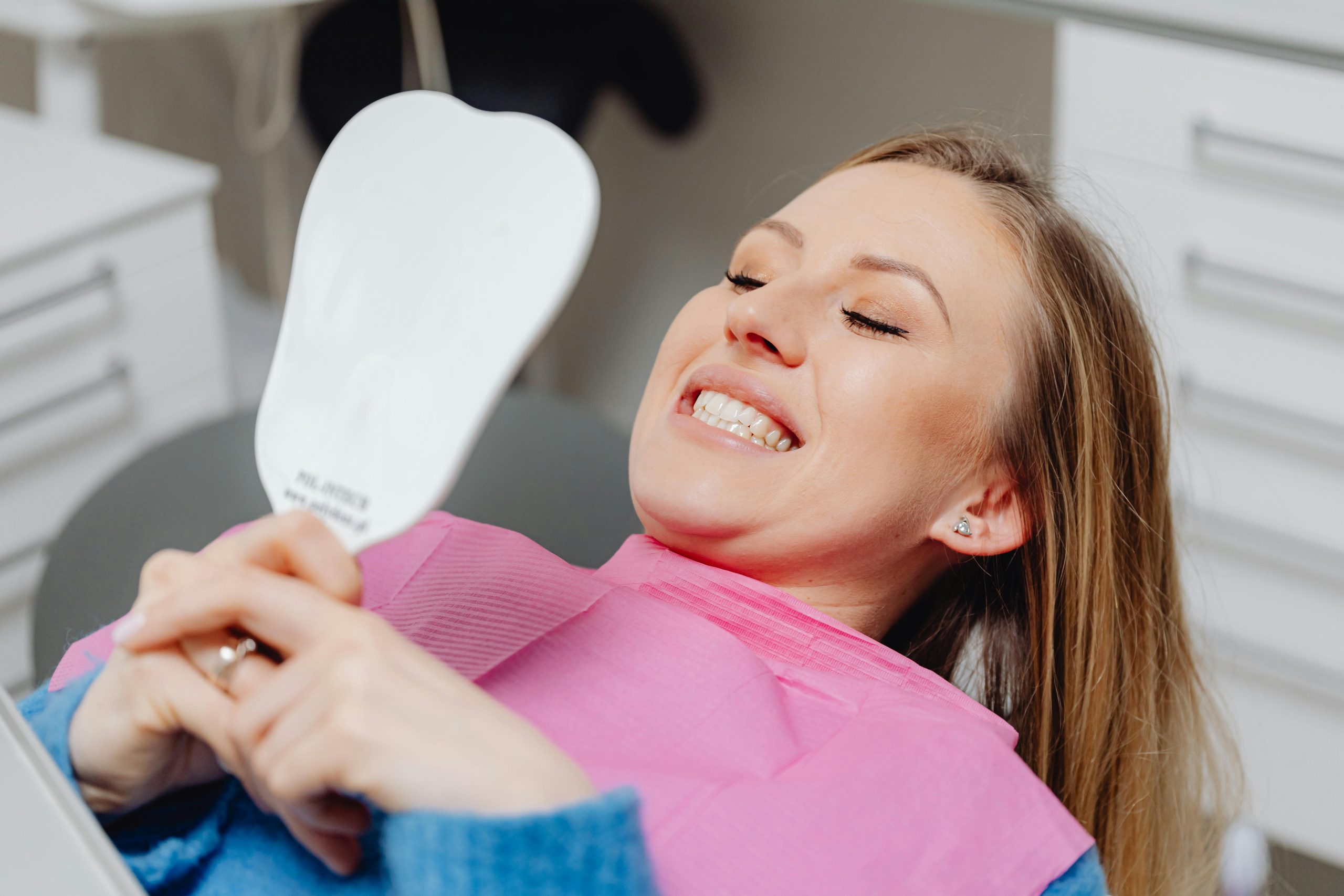
A new year brings a sense of renewal. After the holidays wind down and life returns to a more regular rhythm, many people feel motivated to refocus on their health. If dental care slipped during the busy season, now is the perfect time to make it part of your fresh start.
January is an excellent time to schedule your dental checkup, before the year gets busy. Booking early helps you stay ahead of potential issues and take full advantage of preventive care while your calendar is still flexible.
This simple, practical dental checklist can help you start the year cavity-free and keep your smile healthy throughout.
1. Dental Insurance
Many dental insurance plans reset at the start of the year, which means your benefits are once again available. Scheduling your dental checkup early can help you address any wear and tear from the holiday season.
A routine exam and professional cleaning help remove plaque that has built up and detect early signs of cavities before they become more serious.
2. Upgrade Worn-Out Toothbrushes and Supplies
Your toothbrush works hard, but it doesn’t last forever. If the bristles are worn or you’ve been using the same brush for more than three months, it’s time for a new one.
New dental tools clean more effectively and help prevent plaque from forming along the gumline.
While you’re at it:
- Use a fluoride toothpaste
- Keep floss easily accessible so you’ll actually use it
- Ask your dentist if a mouthwash might be beneficial for your routine
Small changes can make daily dental care feel easier and more effective.
3. Recommit to Daily Brushing and Flossing
Busy holiday schedules can throw off even the best routines. January is a great time to rebuild those habits.
Aim to:
- Brush twice a day
- Floss once a day, even if just before bed
- Avoid brushing right after eating or drinking something acidic; wait about 30 minutes instead
These basic habits remain the strongest defense against cavities and gum disease.
4. Be Mindful of Snacking Habits
Even foods that appear harmless can contribute to cavities if eaten frequently throughout the day. Sugary, sticky, or acidic foods feed the bacteria that cause tooth decay.
To protect your teeth:
- Drink water after snacks when possible
- Limit constant grazing
- Try to enjoy sweets with meals instead of between them
Allowing your teeth time to recover between meals makes a noticeable difference.
5. Drink More Water
Water helps wash away food particles and bacteria while supporting saliva production, which naturally protects your teeth.
Dry mouth can increase the risk of cavities, especially during colder months when people tend to drink less.
Making water your main beverage is a simple habit that benefits your overall health and your smile.
6. Don’t Ignore Minor Dental Concerns
Sensitivity, occasional gum bleeding, or a filling that feels slightly off may not seem urgent, but they’re worth addressing early. Small issues are usually easier and less expensive to treat when caught sooner rather than later.
If you’ve had something bothering you, bring it up at your next appointment.
A Fresh Start for Your Smile
January is about setting the tone for the rest of the year. Taking a few minutes now to refresh your daily habits can help you avoid unexpected toothaches, emergency visits, and costly treatments later on.
Start the year strong by giving us a call at (707) 573-0600 to book your dental checkup and give your smile the care it deserves.