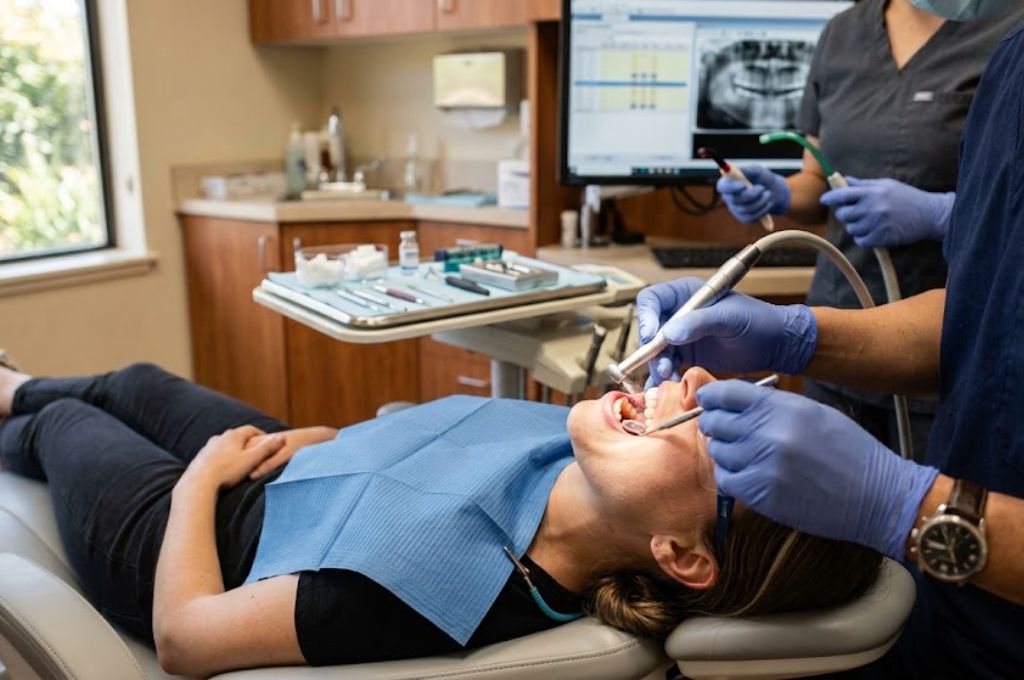
Porcelain Veneers vs. Dental Bonding: Choosing Your Path to a Perfect Smile

We’ve all been there, looking in the mirror and wishing a few minor details about our smile were different. Maybe it’s a stubborn coffee stain that whitening can’t touch, a small gap that draws your eye, or even a chipped tooth. Fortunately, you don’t have to live with these imperfections. Modern cosmetic dentistry offers effective solutions to enhance your smile, with porcelain veneers and dental bonding standing out as two of the most popular options.

But how do you know which path is right for your unique smile, lifestyle, and budget? At Buzza Dental Group, we believe that choosing cosmetic care shouldn’t involve confusing dental jargon. We’re here to lay out your options plainly, so you can make the best choice for your confidence.

Let’s break down the differences between these two incredibly popular smile-makeover options.

Understanding Porcelain Veneers: The Ultimate Smile Makeover

Think of porcelain veneers as custom-made, ultra-thin shells crafted from high-grade dental ceramic. They are designed to fit perfectly over the front surface of your teeth, acting like a permanent, flawless shield.

Because porcelain mimics the natural translucent quality of real enamel, veneers look stunningly realistic. They are a premier choice if you are looking to address multiple issues at once, such as severe discoloration, crookedness, gaps, or worn-down teeth.

The Pros of Veneers:

Longevity: With proper care, porcelain veneers can easily last 10 to 15 years or even longer.
The “Wow” Factor: Veneers can completely revolutionize a smile, offering a uniform, symmetrical, and brilliant result.

Maintenance tip: Porcelain can be prone to staining, so to keep them in good shape, they should be treated like your natural teeth. So regular brushing and flossing are important to keep them looking their best.


Understanding Dental Bonding: The Quick, Conservative Fix

Dental bonding is a more conservative, fast-acting alternative. Instead of using a custom laboratory shell, we apply a tooth-colored composite resin directly to your tooth. We then meticulously shape, sculpt, and polish the resin to mask imperfections, close gaps, or rebuild a chipped edge.

The Pros of Dental Bonding:

Speed: Bonding is almost always completed in just one single visit. You can walk into our Santa Rosa office with a chipped tooth and walk out a short time later with a flawless smile.
Non-Invasive: Bonding requires little to no removal of your natural tooth enamel. For many patients, this means no needles or anesthesia are necessary!
Affordability: Because it doesn’t require custom lab fabrication, bonding is highly cost-effective upfront.

The Considerations: While composite resin is incredibly strong, it is not as durable or stain-resistant as porcelain. Dental bonding typically lasts between 3 to 8 years before it needs to be touched up or replaced, and it can absorb stains over time if you drink a lot of coffee or red wine.


Which Path is Right for You?

Choosing between veneers and bonding comes down to your personal goals:

Choose Porcelain Veneers if: You want a permanent transformation that lasts for over a decade, and can fix comprehensive structural or cosmetic flaws across multiple teeth.
Choose Dental Bonding if: You have a minor imperfection (like one chipped front tooth or a single small gap), prefer a non-invasive treatment that preserves all your natural enamel, or want an immediate fix that fits a tighter budget.


Experience the Buzza Difference in Santa Rosa

No matter which path you lean toward, you shouldn’t have to figure it out alone. At Buzza Dental Group, we’ve been voted the Best Dentist in Sonoma County for 8 years in a row because we treat our patients like family. We understand that sitting in a dental chair can feel intimidating, which is why we’ve built a soothing, positive environment where your comfort always comes first.

Are you ready to take the first step toward a smile you can’t wait to show off? Contact us at 707-573-0600 or book your cosmetic consultation. Let’s work together to create the healthy, radiant smile you deserve!

How to Find an Emergency Dentist in Santa Rosa, CA

A dental emergency can happen at any time — a knocked-out tooth at soccer practice, a cracked molar on a Friday evening, or a throbbing toothache that won’t let you sleep. When pain strikes or something feels seriously wrong, knowing where to turn and what to do can make all the difference for your smile and your health.

At Buzza Dental Group in Santa Rosa, we’re here for you when it matters most. This guide walks you through everything you need to know about dental emergencies — from recognizing one to getting the right care fast.

Dental Emergency in Santa Rosa - Buzza Dental Group

What Qualifies as a Dental Emergency?

Not every toothache requires an emergency visit, but some situations absolutely do. Here are six scenarios that should prompt you to call a dentist right away:

  • Knocked-out tooth: Time is critical — a tooth that’s been completely knocked out can often be saved if you get to a dentist within 30 to 60 minutes.
  • Cracked or fractured tooth: A significant crack — especially one that causes pain when biting — needs immediate evaluation to prevent infection or further damage.
  • Severe toothache: Intense, persistent pain that doesn’t respond to over-the-counter pain relievers could indicate an abscess or nerve damage.
  • Dental abscess: A painful swelling or pimple-like bump near a tooth is a sign of infection that can spread if left untreated — this is a true emergency.
  • Lost filling or crown: While not always immediately painful, a lost restoration exposes vulnerable tooth structure and should be addressed quickly.
  • Soft tissue injury: Cuts or lacerations to your gums, lips, cheeks, or tongue that won’t stop bleeding need urgent attention.

Steps to Take During a Dental Emergency

Staying calm and acting quickly can protect your tooth and reduce pain. Follow these five steps:

  1. Call your dentist immediately. Contact Buzza Dental Group at (707) 675-3434 as soon as possible. Even after hours, listen to our voicemail for emergency instructions.
  2. Manage pain safely. Take over-the-counter pain relievers as directed. Avoid placing aspirin directly on your gums — it can burn tissue.
  3. Handle a knocked-out tooth carefully. Pick it up by the crown (not the root), rinse gently with water, and try to place it back in the socket. If that’s not possible, store it in milk or saliva until you reach us.
  4. Control bleeding. Apply gentle pressure with a clean cloth or gauze. For significant or uncontrolled bleeding, go to the nearest emergency room.
  5. Save any broken pieces. If a tooth has cracked or a restoration has broken, bring all pieces with you to your appointment.

How to Find an Emergency Dentist in Santa Rosa

When you’re in pain, you don’t want to spend time searching. Here’s what to look for in an emergency dental provider:

  • Same-day availability: A good emergency dentist can see you quickly — not schedule you a week out.
  • Clear communication: You should be able to reach a real person or get clear after-hours guidance by phone.
  • On-site treatment capability: Look for a practice that can handle extractions, root canals, and restorations in-house rather than referring you elsewhere.
  • Sedation options: For anxious patients or complex emergencies, sedation dentistry makes treatment more comfortable and manageable.
  • Transparent pricing: Ask upfront about costs and whether they offer payment plans or financing so cost doesn’t delay your care.
Emergency dental care at Buzza Dental Group Santa Rosa

Why Choose Buzza Dental Group for Emergency Dental Care?

Dr. Buzza and the team at Buzza Dental Group have been serving Santa Rosa patients for years, providing the kind of personalized, attentive care that makes a real difference when you’re stressed and in pain. We make every effort to accommodate emergency patients the same day, and our office is equipped to handle a wide range of urgent dental situations — from same-day crown repairs to tooth extractions and more.

We understand that dental emergencies don’t wait for convenient times, and neither do we.

Common Emergency Dental Treatments at Buzza Dental Group

Depending on what’s happened, your emergency visit may involve one or more of the following treatments:

  • Tooth reimplantation or extraction
  • Emergency root canal therapy
  • Dental crown placement or repair
  • Treatment for dental abscess and infection
  • Soft tissue repair
  • Temporary restorations to protect damaged teeth

Our goal is always to save your natural tooth when possible. When that’s not an option, we’ll help you understand your tooth replacement choices — including dental implants — so you can move forward with confidence.

How to Prevent Dental Emergencies

While accidents happen, many dental emergencies are preventable with the right habits:

  • Wear a mouthguard during contact sports
  • Don’t use your teeth as tools to open packages or bottles
  • Avoid chewing on ice, hard candy, or unpopped popcorn kernels
  • Keep up with regular dental checkups so small problems are caught before they become emergencies
  • Address tooth pain or sensitivity early — don’t wait for it to get worse

Schedule Your Emergency Appointment in Santa Rosa

When a dental emergency strikes, every minute counts. Don’t wait and hope the problem resolves on its own — dental issues almost always get worse without treatment, and what starts as a minor crack can become a serious infection.

Call Buzza Dental Group immediately: (707) 675-3434. Located at 2448 Guerneville Rd Suite 1200, Santa Rosa, CA 95403. We’re ready to help you get out of pain and back to your life — fast. You can also request an appointment online and our team will respond as quickly as possible.

Invisalign vs. Traditional Braces: What Santa Rosa Patients Need to Know

If you’ve been thinking about straightening your teeth, you’ve probably come across two options: Invisalign and traditional braces. Both can give you a straighter, healthier smile — but they work very differently, and the right choice depends on your lifestyle, your goals, and your dental needs.

At Buzza Dental Group, we want to help you make the decision that’s right for you. Here’s an honest look at how each option works, how they compare, and what Santa Rosa patients should consider before choosing.

Invisalign vs. Traditional Braces: What Santa Rosa Patients Need to Know

How Invisalign Works

Invisalign uses a series of custom-made, clear plastic aligners that gradually shift your teeth into the correct position. Every one to two weeks, you switch to the next set of aligners in the series. Each tray moves your teeth a small amount, and over time, those small shifts add up to a dramatically straighter smile.

Because the aligners are removable, you take them out to eat, drink, brush, and floss. You wear them for 20 to 22 hours a day for the best results. Treatment typically takes 12 to 18 months, depending on the complexity of your case.

How Traditional Braces Work

Traditional braces use metal brackets bonded directly to your teeth, connected by wires that your orthodontist adjusts regularly. Each adjustment applies gentle, consistent pressure that moves your teeth over time. Unlike Invisalign, braces are fixed — they stay on your teeth 24/7 until treatment is complete.

Braces are a highly effective solution for a wide range of alignment issues, including complex cases that may be more challenging to treat with clear aligners. Treatment time typically ranges from 18 months to three years.

Invisalign vs. Braces — Detailed Comparison

  • Appearance: Invisalign aligners are nearly invisible. Traditional braces are noticeable, though tooth-colored ceramic options exist.
  • Comfort: Invisalign has smooth edges with no brackets or wires to irritate your cheeks. Braces can cause some discomfort after adjustments.
  • Removability: Invisalign trays come out for meals and cleaning. Braces are fixed and cannot be removed at home.
  • Diet restrictions: With Invisalign, you can eat whatever you like. With braces, sticky, hard, or crunchy foods should be avoided.
  • Oral hygiene: Invisalign makes brushing and flossing much easier. Braces require more effort to clean around brackets and wires.
  • Complexity of cases: Braces can treat more severe bite and alignment issues. Invisalign is ideal for mild to moderate cases.
  • Visit frequency: Both require regular check-ins, though Invisalign appointments are often shorter.

Invisalign Is Best For…

Invisalign tends to be the preferred choice for adults and older teens who want a discreet treatment option. If you work in a professional environment, have an active social life, or simply feel self-conscious about wearing visible braces, Invisalign lets you straighten your teeth without drawing attention to your treatment.

It’s also a great fit for patients with mild to moderate crowding, spacing issues, or bite concerns who are committed to wearing their aligners consistently. The key to Invisalign success is discipline — wearing your trays for the recommended hours every day is essential.

Patient smiling after Invisalign treatment at Buzza Dental Group Santa Rosa

When Braces May Be Better

Traditional braces are often the better choice for younger patients or those with more complex orthodontic needs. Because they’re bonded to your teeth and work continuously, they don’t rely on patient compliance in the same way Invisalign does — making them ideal for teens who might forget to wear their aligners.

Braces are also more effective for correcting severe crowding, significant bite problems (such as overbites, underbites, or crossbites), or cases where precise control over tooth movement is required. If your case is complex, your dentist may recommend braces as the more reliable path to your best results.

In some situations, a combination approach works well — starting with braces to handle the complex movements, then finishing with Invisalign for final refinements. Dr. Buzza will evaluate your specific needs and help you understand which path makes the most sense.

Invisalign at Buzza Dental Group

At Buzza Dental Group, we offer Invisalign as part of our cosmetic dentistry services for patients in Santa Rosa and the surrounding areas. Dr. Buzza takes the time to understand your smile goals, evaluate your bite and alignment, and walk you through all of your options — including whether Invisalign or another treatment is the right fit for your situation.

We also understand that cost is a real factor. Our team will go over patient financing options so you can move forward with confidence. Many patients are surprised to find that Invisalign is more accessible than they expected.

Ready to find out if Invisalign is right for you? Schedule a consultation with Dr. Buzza today or call our office at (707) 573-0600. We’re here to help you get the straight, confident smile you deserve — on your terms.

7 Christmas Dental Tips for a Cavity-Free Holiday

The festive season is around the corner, a time for sweet treats, delicious dinners, and joyful celebrations. But with all the holiday snacking, your teeth may face a higher risk of cavities. The good news? You can still enjoy your favorite Christmas treats while keeping your smile healthy.

If you want to start the season with strong, cavity-free teeth, schedule your holiday or post-holiday checkup with Buzza Dental Group today. Call (707) 573-0600, we’d love to help you protect your smile through every celebration.

Here’s how to keep your smile bright, healthy, and cavity-free throughout the holiday season.

1. Limit Sugary Snacks Between Meals

Holiday cookies, chocolates, and candies are everywhere this time of year—but frequent snacking exposes your teeth to sugar all day long. When sugar sits on your teeth for extended periods, it feeds harmful bacteria that produce acids, increasing your risk of cavities. Instead of grazing, enjoy sweets with meals when saliva production is higher and better able to protect your enamel.

Quick tip: Pick your favorite treats and skip the ones you don’t truly love.

2. Stay Hydrated With Water

Between hot chocolate, festive lattes, and holiday cocktails, water often gets forgotten. But staying hydrated helps wash away food particles, keeps your mouth from getting dry, and supports healthy saliva flow, your mouth’s natural defense against cavities.

Quick tip: Keep a refillable water bottle with you during gatherings and alternate sugary or alcoholic drinks with water.

3. Stick to Your Brushing and Flossing Routine

Busy holiday schedules, late-night events, and travel can make it tempting to skip brushing or flossing. But this is when your teeth need consistency the most. Plaque builds quickly, especially when you’re indulging in sugary foods.

Quick tip: Brush twice a day for two minutes and floss at least once daily. If you’re traveling, pack a small oral hygiene kit in your bag.

4. Choose Healthier Holiday Snack Options

Holiday spreads often include tooth-friendly choices such as cheese boards, nuts, fruits, and veggie trays. Crunchy fruits and vegetables help clean your teeth naturally, while cheese helps neutralize acids in your mouth and strengthen enamel.

Quick tip: Start with protein-rich or high-fiber snacks before you reach for something sweet.

5. Be Careful With Hard or Sticky Holiday Foods

Toffees, candy canes, peanut brittle, and other hard sweets can crack or chip your teeth if you bite down too forcefully. Sticky treats like caramels or gummy candies can cling to teeth and dental work, increasing the risk of decay or damaging restorations.

To stay safe:

  • Let hard candies dissolve instead of biting them
  • Cut tough foods into smaller pieces
  • Skip treats that feel overly sticky or chewy.

Protecting your teeth from damage helps prevent dental emergencies that could interrupt your holiday fun.

6. Go Easy on Alcohol and Carbonated Drinks

Holiday parties often include cocktails, champagne, and soda, all of which are acidic and can weaken enamel over time. Many alcoholic drinks also contain added sugars that stick to teeth.

Quick tip: Sip slowly, avoid holding drinks in your mouth, and pair beverages with water to minimize acid buildup and staining.

7. Schedule a Post-Holiday Dental Checkup

After a season filled with sweets and celebrations, January is the perfect time for a professional cleaning and dental exam. Your dentist can remove plaque you may have missed, check for early signs of cavities, and help you start the new year with a fresh, healthy smile.

Quick tip: Book your appointment before the year ends— January schedules tend to fill up fast.

Enjoy the Christmas Season Without Compromising Your Smile

The holidays are meant to be enjoyed, and you don’t need to give up your favorite festive treats to protect your dental health. With a little balance and care, you’ll step into the new year cavity-free and still full of Christmas joy.

Is Sedation Dentistry Safe? What Patients in Santa Rosa Should Know

For many patients, visiting the dentist can bring up feelings of anxiety ranging from mild nervousness to profound fear. sedation dentistry offers a compelling solution, promising a more relaxed and comfortable experience. But a crucial question naturally arises: is it truly safe?

Let’s take a closer look at how sedation dentistry works and what you should know before saying yes to it here in Santa Rosa.

Understanding Sedation Dentistry

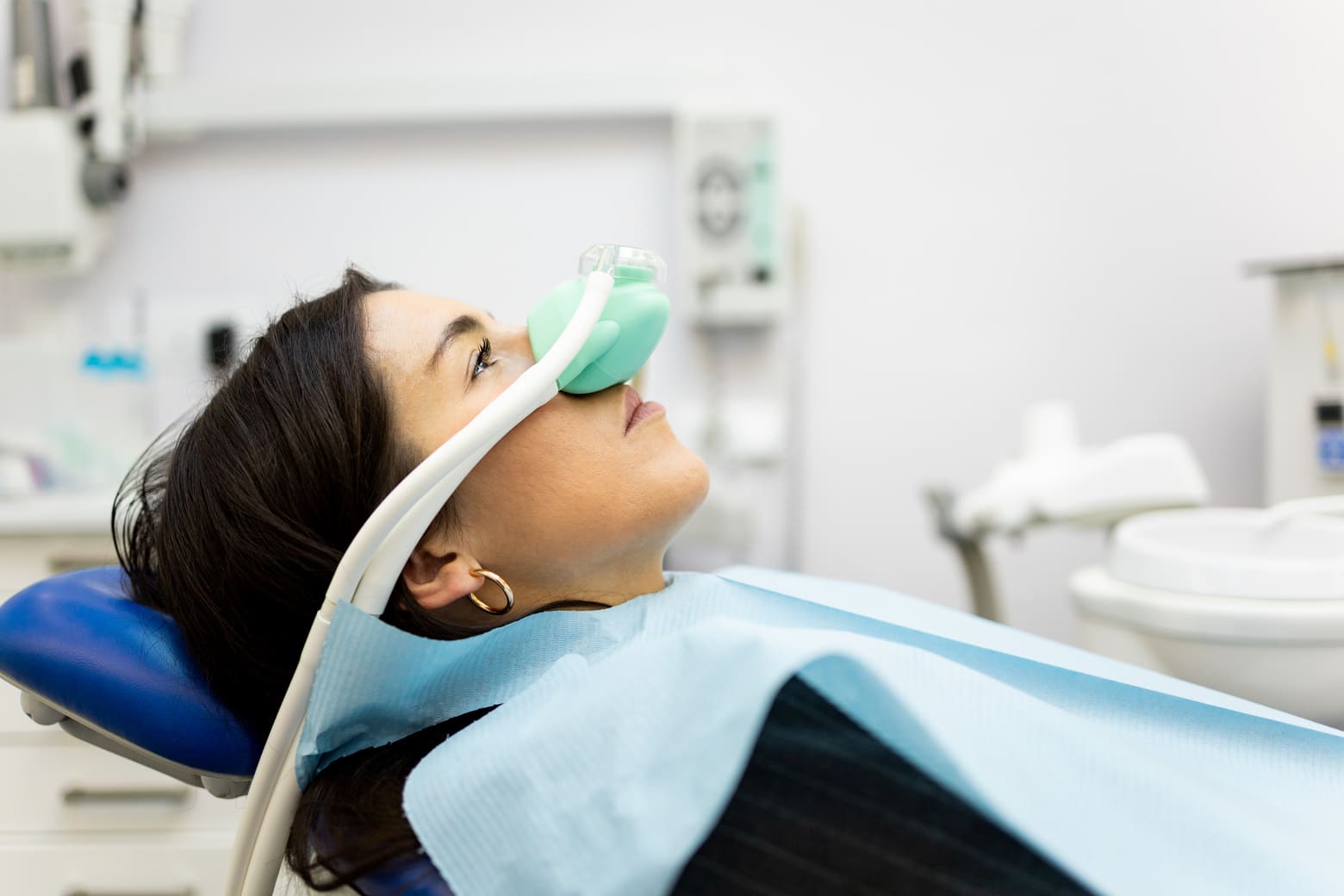
Sedation dentistry refers to using medication to help patients feel calm and relaxed during dental procedures. Depending on the type of sedation, you may feel drowsy or deeply relaxed, but you’ll still be able to respond to your dentist.

There are three common types of dental sedation:

  • Oral sedation – Taken as a pill, this option produces a deeper level of relaxation. You’ll feel sleepy but remain conscious and able to respond.
  • IM sedation. Delivered through an intramuscular injection(usually the upper arm or thigh), this method provides an intermediate level of sedation between oral conscious sedation and IV sedation. It’s ideal for patients who don’t want to be as sleepy as they are in IV sedation, but more relaxed than oral conscious sedation can provide. 
  • IV sedation – Administered intravenously, this allows the dentist to control sedation levels throughout the procedure, often used for patients with severe anxiety or extensive dental work.

Each form of sedation has its own level of depth and recovery time. At Dr. John Buzza, DDS, our team tailors the sedation option to your individual needs and medical background. Our goal is to assess what level of sedation would make our patients most comfortable and provide the best level for their specific treatment.

What Makes Sedation Dentistry Safe?

In California (and most states), the Dental Board strictly regulates who can administer sedation and under what conditions. Dentists and their assistants must complete approved training programs, maintain current certification, and use state-approved monitoring equipment. This ensures patient safety and compliance with healthcare laws

At Buzza Dental Group, here’s how we ensure the process remains safe and stress-free for every patient:

  1. Comprehensive health review – We carefully evaluate your medical history, allergies, medications, and any conditions that might affect sedation, such as sleep apnea or heart concerns.
  2. Certified providers – Our team maintains specialized training and certification in sedation administration and emergency response.
  3. Continuous monitoring – During your procedure, we track your vital signs, including heart rate, oxygen levels, and blood pressure, to ensure you remain stable and relaxed.
  4. Detailed aftercare guidance – Before you leave, we provide clear post-sedation instructions to support a smooth and safe recovery.

Who Might Benefit Most?

While many patients can safely undergo sedation, it’s particularly beneficial for individuals who:

  • Experience moderate to severe dental anxiety or phobia.
  • Have a strong gag reflex.
  • Require extensive or lengthy dental procedures.
  • Have difficulty sitting still for prolonged periods.
  • Have sensitive teeth or low pain tolerance.
  • Are afraid of needles.

Tips and Post-Procedure Care for Santa Rosa Patients

If you’re considering sedation dentistry, preparation and aftercare make all the difference. Here’s what our dental team recommends:

  • Ask questions ahead of time. Discuss what level of sedation we recommend and why it’s right for you.
  • Share your full health history. Be open about any medical conditions, medications, or supplements you take.
  • Plan for a safe ride home. For oral or IV sedation, arrange for someone to drive you — even if you feel alert afterward.
  • Follow recovery instructions carefully. Rest, avoid driving or operating machinery for the rest of the day, and drink plenty of water.
  • Eat light and soft foods. Stick to gentle meals until you’re fully alert and comfortable.
  • Schedule follow-up visits. Regular check-ins help us ensure everything is healing properly and that you remain confident in your care.

Bottom Line

Our Santa Rosa dental team takes every precaution to ensure your safety and peace of mind, from thorough pre-procedure evaluations to continuous monitoring throughout your visit. If you’ve been putting off dental treatment because of fear or anxiety, schedule an appointment with us or contact our office at (707) 573-0600. We’ll take the time to talk through your concerns and discuss how we can make your visit as calm and comfortable as possible.

The Truth About Teeth Whitening: Pro vs DIY Options

Are you dreaming of a brighter, more dazzling smile? You’re not alone! Teeth whitening has become increasingly popular, with options ranging from professional treatments to DIY kits. But what’s the real scoop on teeth whitening? Let’s dive into the world of pearly whites and uncover the truth about professional and at-home options.

Professional Teeth Whitening: The Gold Standard

When it comes to achieving that Hollywood smile, professional teeth whitening is hard to beat. Here’s why:

Customized Treatment

At Buzza Dental Group, Dr. John Buzza, DDS, tailors each whitening treatment to your unique needs. We consider factors like tooth sensitivity, existing dental work, and your desired shade to ensure the best results.

Powerful, Safe Ingredients

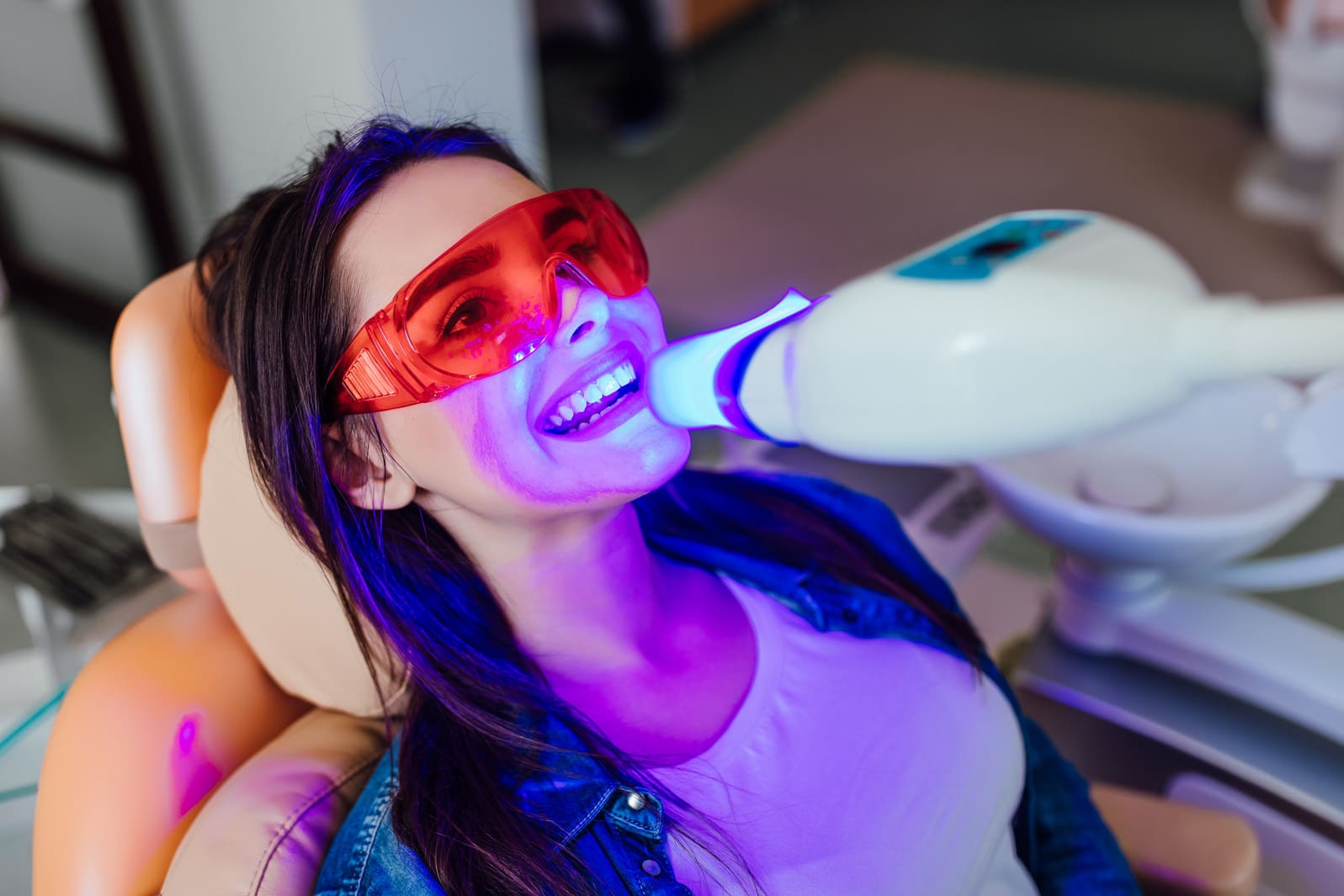
Professional whitening solutions contain higher concentrations of active ingredients, allowing for more dramatic results in less time. Plus, we monitor the process to ensure your safety and comfort.

Long-lasting Results

With proper care, professional whitening can keep your smile bright for months or even years.

DIY Teeth Whitening: Convenience at a Cost

Over-the-counter whitening products offer a more affordable and convenient option. However, they come with some drawbacks:

Limited Effectiveness

DIY kits contain lower concentrations of whitening agents, which means less dramatic results and longer treatment times.

One-Size-Fits-All Approach

Unlike professional treatments, at-home kits don’t account for individual needs or sensitivities.

Potential for Misuse

Without professional guidance, it’s easy to overuse whitening products, leading to tooth sensitivity or enamel damage.

Whitening vs. Bleaching: What’s the Difference?

You may have heard both terms used interchangeably, but there’s a distinction:

Whitening: Restores teeth to their natural color by removing surface stains.
Bleaching: Uses chemicals to whiten teeth beyond their natural shade.

Professional treatments often involve bleaching, while many DIY options focus on whitening.

Teeth Whitening Cost Comparison

When considering the best teeth whitening treatment for you, cost is likely a factor. Here’s a quick breakdown:

Professional in-office treatment: $500-$1,000
Take-home professional kits: $300-$500
Over-the-counter strips or gels: $20-$100

While professional options have a higher upfront cost, they often provide better, longer-lasting results, potentially saving you money in the long run.

Making the Right Choice for Your Smile

Ultimately, the best teeth whitening treatment depends on your individual needs, budget, and goals. If you’re looking for dramatic, long-lasting results and personalized care, professional whitening at Buzza Dental Group is the way to go.

Ready to brighten your smile? Give us a call at (707) 573-0600 to schedule a consultation. We’ll help you achieve the dazzling smile you’ve always wanted, safely and effectively.

Protect Your Smile: Fall Sports and Dental Safety

As the leaves start to change and the air turns crisp, many of us are gearing up for our favorite fall sports. Whether you’re hitting the football field, lacing up your cleats for soccer, or getting ready for a season of basketball, it’s crucial to remember that your smile needs protection too. Let’s dive into why sports mouthguard protection is essential and how you can keep your pearly whites safe while enjoying your favorite activities.

The Importance of Protecting Your Smile

Dental injuries in sports are more common than you might think. From chipped teeth to more severe issues like knocked-out teeth, the risks are real. In fact, athletes are 60 times more likely to suffer dental damage when not wearing a mouthguard. That’s a statistic that should make us all sit up and take notice!

Types of Mouthguards

When it comes to mouthguards, you have a few options:

  • Stock mouthguards: These are ready-made and the least expensive, but they offer minimal protection and can be uncomfortable.
  • Boil-and-bite mouthguards: These can be molded to your teeth after being softened in hot water.
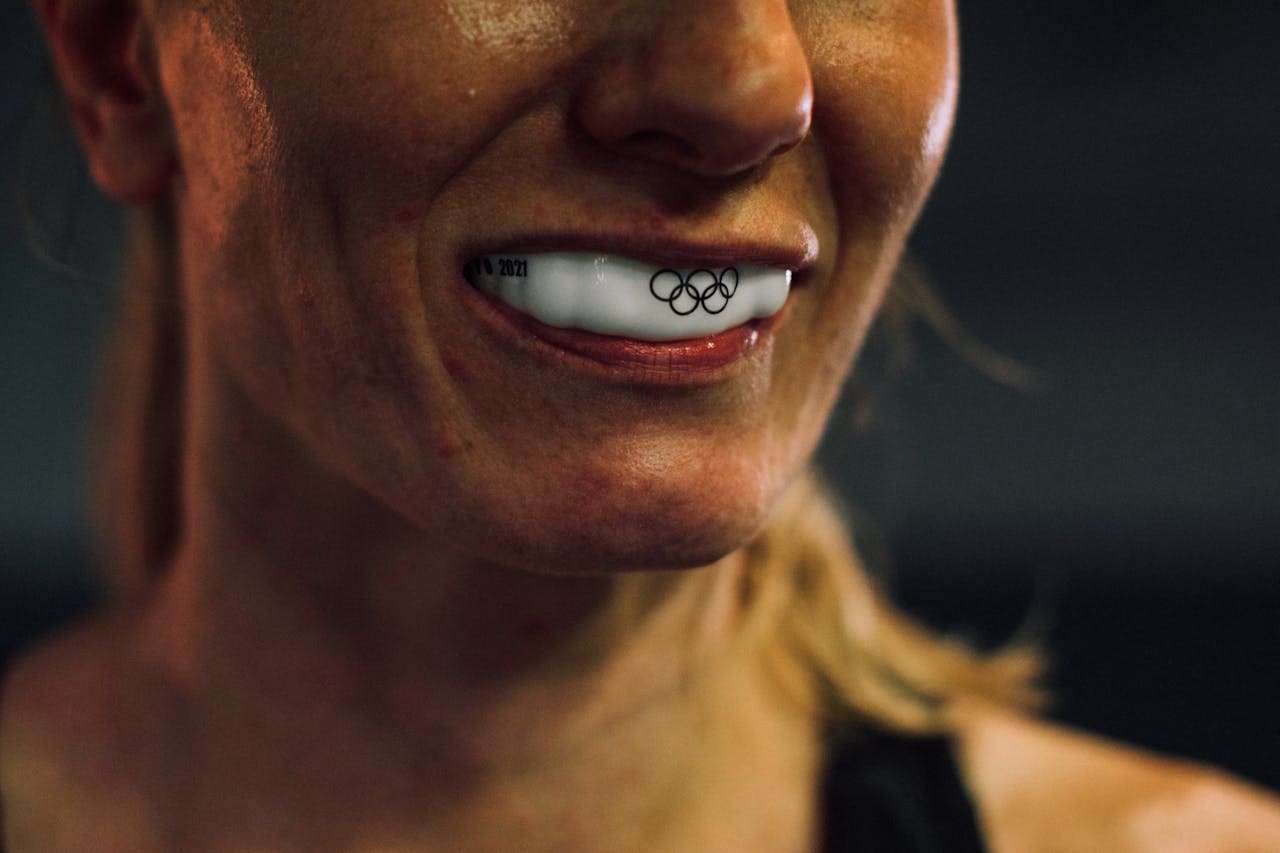
  • Custom-fitted mouthguards: These are made by your dentist specifically for your mouth.

While all of these offer some level of protection, the benefits of custom mouthguards far outweigh those of the other options. They provide the best fit, comfort, and protection, making them the top choice for athletes of all levels.

Beyond Protection: The Hidden Benefits of Mouthguards

Mouthguards do more than just protect your teeth. They can also:

  • Reduce the risk of concussion
  • Protect your jaw from fractures
  • Prevent cuts and bruises to your lips and cheeks

By investing in a quality mouthguard, you’re not just protecting your smile — you’re safeguarding your overall health.

What to Do in a Dental Emergency

Despite our best efforts, accidents can still happen. If you find yourself dealing with a knocked-out tooth emergency, time is of the essence. Here’s what to do:

  1. Retrieve the tooth, holding it by the crown (not the root)
  2. Rinse it gently with water if it’s dirty
  3. Try to reinsert it in the socket if possible
  4. If you can’t reinsert it, keep it moist in milk or saliva
  5. Get to a dentist as quickly as possible — ideally within 30 minutes

Remember, quick action can mean the difference between saving and losing the tooth!

Your Partner in Dental Health

At Buzza Dental Group, we’re passionate about keeping your smile healthy and beautiful, both on and off the field. We offer custom-fitted mouthguards that provide superior protection and comfort. Don’t let dental injuries sideline you this season — give us a call at (707) 573-0600 to schedule an appointment and discuss your mouthguard options.

Stay safe, have fun, and keep smiling this fall sports season!

Overcoming Dental Anxiety: Comfort at Buzza Dental

Let’s face it: dental anxiety is a real thing, and it affects more people than you might think. If the thought of sitting in a dental chair makes your palms sweat and your heart race, you’re not alone. At Buzza Dental Group, we understand these fears and have made it our mission to provide comfortable dental care for all our patients in Santa Rosa.

Understanding Dental Anxiety

Dental anxiety can stem from various sources — past experiences, fear of pain, or even the unfamiliar sounds and smells of a dental office. Whatever the cause, it’s essential to address these concerns to maintain good oral health.

Proven Strategies for a Comfortable Dental Visit

1. Open Communication

The first step in overcoming dental anxiety is to talk about it. Dr. John Buzza, DDS, and our team are here to listen. We encourage you to share your concerns, ask questions, and let us know what makes you uncomfortable. This open dialogue helps us tailor your experience and provide solutions that work for you to overcome your fear of the dentist.

2. Relaxation Techniques

Simple relaxation methods can make a world of difference:

  • Deep breathing exercises
  • Progressive muscle relaxation
  • Visualization of a calm, happy place

These techniques can help reduce anxiety and promote a sense of calm during your visit.

3. Distraction Methods

Sometimes, taking your mind off the dental procedure can help ease anxiety. We offer:

  • TVs in treatment rooms
  • Headphones for listening to music or podcasts
  • Stress balls or fidget toys to keep your hands occupied

4. Sedation Dentistry Options

For those with more severe dental anxiety, sedation dentistry might be the answer. We offer various levels of sedation to ensure your comfort:

  • Nitrous oxide (laughing gas) for mild anxiety
  • Oral sedation for moderate anxiety
  • IV sedation for severe anxiety or complex procedures

These options allow you to receive necessary dental care while feeling relaxed and at ease.

Creating a Comfortable Environment

At Buzza Dental Group, we’ve designed our office with your comfort in mind. From the soothing decor to the friendly faces of our staff, every aspect of our practice is geared towards making your visit as pleasant as possible.

The Importance of Regular Dental Visits

While dental anxiety treatment is crucial, it’s equally important to maintain regular dental check-ups. Consistent visits can prevent small issues from becoming major problems, potentially reducing the need for more extensive (and potentially anxiety-inducing) procedures down the line.

Remember, your oral health is connected to your overall well-being. By addressing your dental anxiety and finding solutions that work for you, you’re taking an important step towards a healthier, happier you.

At Buzza Dental Group, we’re committed to providing comfortable dental care that meets your unique needs. If you’re struggling with dental anxiety, don’t hesitate to reach out. Give us a call at (707) 573-0600, and let’s work together to make your next dental visit a positive experience.

Your smile is important to us, and we’re here to help you maintain it — comfortably and confidently.

Oral Health: Your Window to Overall Wellness

Have you ever considered that your oral health could be a window into your overall wellness? It’s true! The health of your mouth, teeth, and gums can have a surprising impact on the rest of your body. At Buzza Dental Group, we’re passionate about helping our patients understand this crucial connection.

The Mouth-Body Connection

Your mouth is teeming with bacteria — most of them harmless. However, poor oral hygiene can lead to an overgrowth of harmful bacteria, potentially causing infections that extend beyond your mouth. This is where the link between dental health and overall wellness becomes apparent.

Oral Health and Heart Disease

Research has shown a potential connection between oral health and heart disease. While the exact mechanism isn’t fully understood, some studies suggest that the inflammation associated with gum disease might play a role in the development of cardiovascular problems.

The Gum Disease-Diabetes Connection

Did you know that there’s a two-way street between gum disease and diabetes? People with diabetes are more susceptible to gum disease, while severe gum disease can potentially impact blood sugar control. This connection between gum disease and diabetes highlights the importance of maintaining good oral health, especially for those managing diabetes.

How Your Oral Health Affects Other Aspects of Your Health

Beyond heart disease and diabetes, your oral health can influence other areas of your body:

  • Respiratory health: Poor oral hygiene may increase the risk of respiratory infections.
  • Pregnancy: Gum disease has been linked to premature birth and low birth weight.
  • Cognitive function: Some studies suggest a potential link between poor oral health and cognitive decline in older adults.

Preventive Dental Care: Your First Line of Defense

Given these connections, it’s clear that preventive dental care is crucial for maintaining not just your oral health, but your overall wellness too. Here are some steps you can take:

1. Brush twice daily and floss regularly
2. Maintain a healthy diet low in sugary foods and drinks
3. Quit smoking if you currently do
4. Schedule regular check-ups and cleanings with Dr. John Buzza, DDS

At Buzza Dental Group, we’re committed to helping you maintain optimal oral health and, by extension, supporting your overall wellness. Our comprehensive general dentistry services are designed to prevent, detect, and treat oral health issues before they can impact your broader health.

Remember, your mouth is more than just a pretty smile — it’s a gateway to your overall health. By taking care of your oral health, you’re taking a significant step towards maintaining your general well-being.

Ready to prioritize your oral and overall health? Give us a call at (707) 573-0600 to schedule your next appointment. Let’s work together to keep your smile bright and your body healthy!

Dental Emergency Travel Tips: Be Prepared Abroad

We’ve all been there — you’re on a dream vacation, sipping a cool drink by the beach, when suddenly you feel a sharp pain in your tooth. Dental emergencies don’t take holidays, and they can certainly put a damper on your travel plans. But fear not! With a little preparation, you can handle most oral health crises while away from home.

Pack Your Dental Travel Kit

Before you jet off to your destination, consider packing a small dental emergency kit. Here’s what you should include:

• Over-the-counter pain relievers
• Dental floss
• Temporary filling material
• Dental wax (for irritating broken braces or wires)
• Cotton balls
• Small container of salt (for warm salt water rinses)

These items can be lifesavers when dealing with common dental emergencies, such as toothaches or broken fillings.

Common Dental Emergencies and Quick Fixes

Toothaches

If you’re experiencing tooth pain, rinse your mouth with warm salt water and use dental floss to remove any food particles stuck between teeth. Take an over-the-counter pain reliever if needed.

Broken Teeth

For broken teeth, rinse your mouth with warm water and apply a cold compress to the outside of the cheek to reduce swelling. If possible, save any broken pieces.

Lost Fillings

If you lose a filling, you can use temporary filling material from your emergency kit as a short-term solution. Remember, this is just a stopgap measure until you can see a dentist.

Finding an Emergency Dentist While Traveling

Sometimes, despite our best efforts, we need professional help. Here are some tips for finding an emergency dentist while away from home:

1. Ask your hotel concierge for recommendations
2. Check with your travel insurance provider for covered dental services
3. Use online resources or apps to locate nearby dentists
4. Contact your home dentist for advice or referrals

Remember, it’s always better to address dental issues promptly rather than waiting until you return home.

Prevention is Key

The best way to avoid dental emergencies while traveling is to take care of your oral health before you leave. Schedule a check-up with Dr. John Buzza, DDS, at Buzza Dental Group before your trip. We can identify and address any potential issues before they become problems during your vacation.

Don’t let dental emergencies ruin your travel plans. With a little preparation and knowledge, you can handle most oral health crises and get back to enjoying your vacation. Safe travels and happy smiling!

If you’re planning a trip and want to ensure your oral health is in top shape, give us a call at (707) 573-0600. We’ll make sure your smile is vacation-ready!

Dr. Buzza, DDS

BUZZA DENTAL GROUP

Enriching Lives, Exceeding Expectations

2448 Guerneville Rd. Suite 1200, Santa Rosa, CA 95403
Phone: 707-573-0600 • Fax: 707-324-1234
info@santarosadentist.com