Fear of the dentist keeps millions of adults from scheduling checkups, and many wonder whether a calming option carries hidden danger. So, is sedation dentistry safe? Yes. For most healthy patients, sedation is a well-studied, low-risk approach when a trained dentist screens your health, chooses the right level, and monitors you during treatment. Modern techniques go as far as the administration of laughing gas as a light sedative or a full IV sedation which all of them adhere strictly to safety protocols. This guide answers common questions about safety, recovery, and eligibility so you can decide with confidence and walk into your next appointment feeling calm.
Is Sedation Dentistry Safe? How Your Dentist Protects You
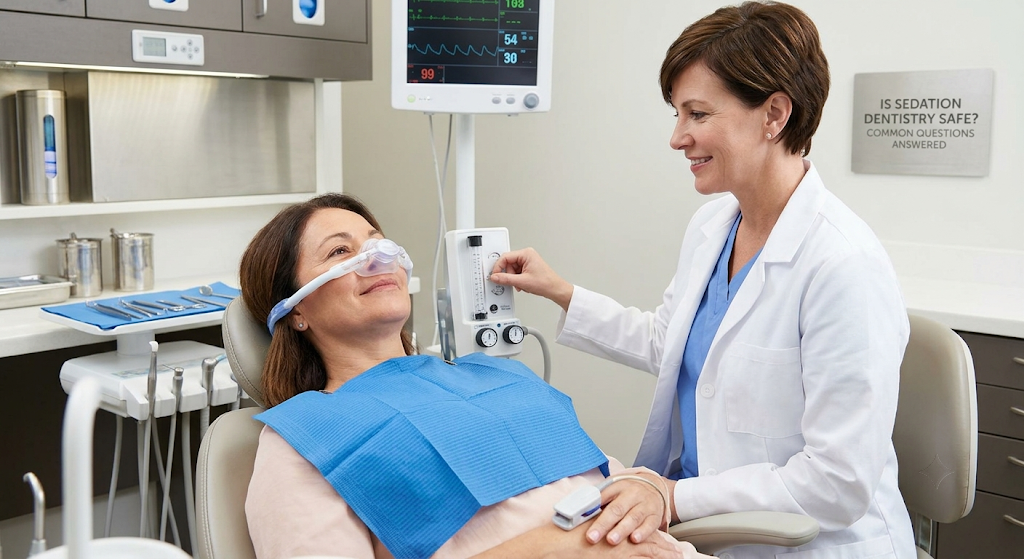
Safety starts before you ever sit in the chair. Your dentist examines your medical history, medications you are taking, allergies, and if you had any adverse reaction previously to anesthetic. Then they decide which sedation will suit you well taking into account your health and your procedure. Throughout treatment, trained staff track your heart rate, oxygen level, and blood pressure, and they keep emergency equipment within reach.
Patients often ask, is sedation dentistry safe for long or complex visits? It can be, because the provider adjusts the dose as needed and stays with you the whole time. Most sedation dentistry risks come from skipped screenings or under-trained providers rather than from the medicine itself. That is why choosing an experienced office matters more than choosing a specific drug.
Types of Sedation Dentists Use
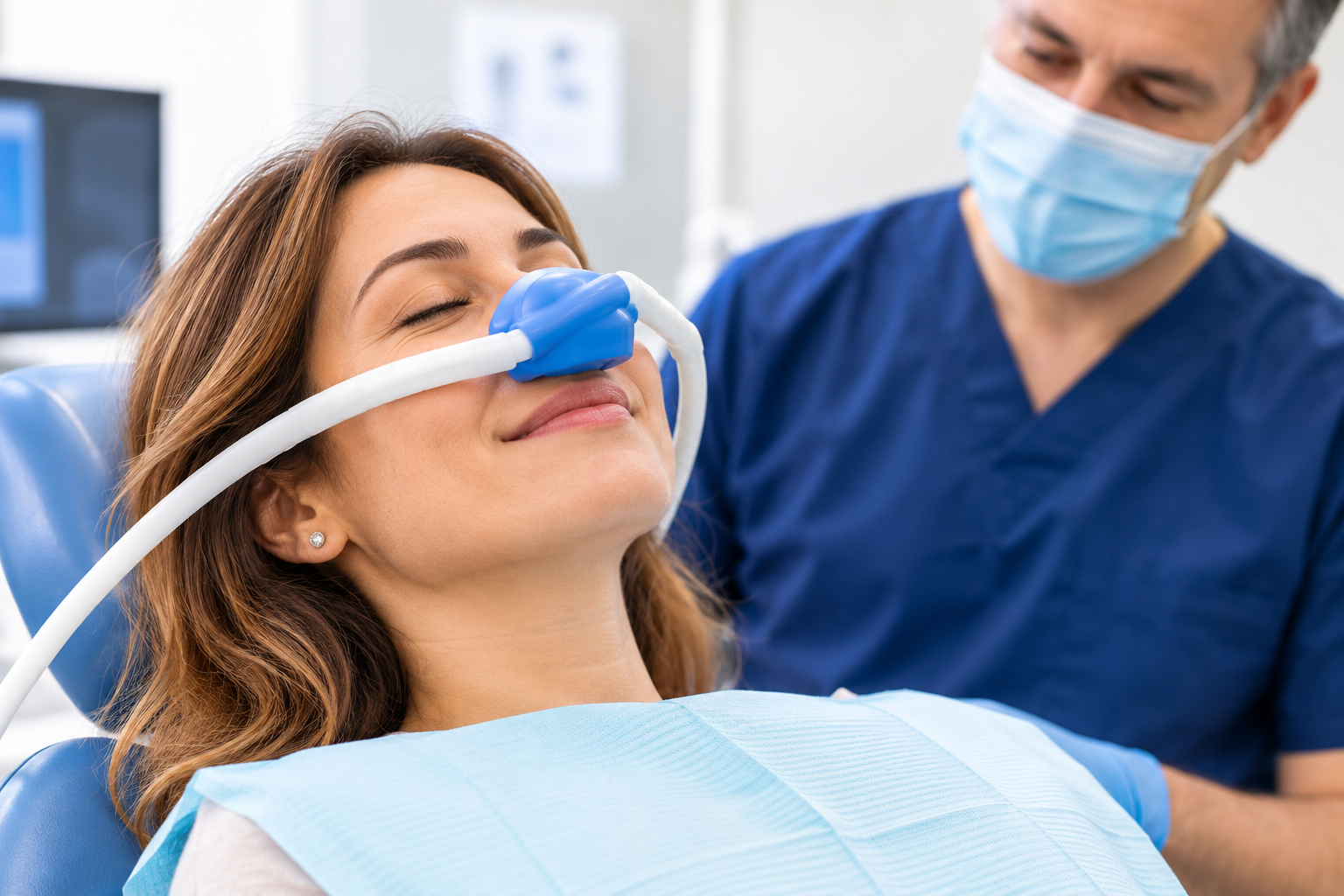
Three options cover most needs. Nitrous oxide, often called laughing gas, is a mild choice that wears off within minutes. Oral sedation comes as a pill you take before your visit, which leaves you deeply relaxed but awake. The most profound state is achieved by using a drug that is introduced in the bloodstream through a vein, i.e., IV sedation. Many patients hardly remember the entire duration after the event, although they are completely conscious.
At Buzza Dental Group in Santa Rosa, Dr. Buzza explains each option and helps you pick the level that fits your comfort and your treatment plan. You can read more on the sedation dentistry service page before your visit.
Sedation Dentistry Side Effects: What to Expect
Most side effects are mild and short-lived. Common ones include drowsiness, dry mouth, a mild headache, nausea, and a fuzzy memory of the appointment. Nitrous oxide clears quickly, so many people drive themselves home afterward. Oral and IV sedation last longer, so a trusted adult should drive you and stay with you for the rest of the day.
If you wonder, is sedation dentistry safe when you feel groggy afterward, the answer is yes, because grogginess simply means the medication is leaving your system. Call your dentist if drowsiness lasts beyond a day or a rash appears, and seek emergency care right away for trouble breathing.
Understanding Sedation Dentistry Risks
Though it is rare to have severe complications, compared with other sedation dentistry side effects like drowsiness, providing real information helps establish trust with a patient. Some sedation dentistry risks include breathing issues, low blood pressure, allergic reactions, and interactions with other medicines. A few simple steps lower those chances:
- Give a complete list of medications, supplements, and health status to the dentist.
- Observe fasting orders before receiving oral or IV sedation.
- Do not consume any form of alcohol before and after the appointment.
- Look for a provider equipped with knowledge and skills of sedation and who also has good experience in this area.
Dr. Buzza has cared for Santa Rosa patients for more than 40 years, and the team at Buzza Dental Group screens every patient carefully before recommending sedation.
Who Can Have Sedation Dentistry?
Most healthy adults and many teens qualify. Sedation helps people with dental anxiety, a strong gag reflex, sensitive teeth, fear of needles, or trouble sitting still. It also helps anyone facing a long procedure.
Is sedation dentistry safe for everyone, though? Not always. Patients with certain conditions such as pregnancy, sleep apnea, heart or lung diseases, obesity or some medications are the ones in need of a careful approach, sometimes even a doctor’s approval. Children need guidance from a provider trained in pediatric sedation.
Dental Anxiety Solutions That Work Alongside Sedation
Sedation is one of several dental anxiety solutions, and it works even better with simple habits. Tell your dentist exactly what worries you, whether that is needles, noise, or feeling out of control. Agree on a hand signal so you can pause at any moment. Book a morning appointment so worry has less time to build, and bring headphones to block out sounds.
Some patients start with short visits to build trust before moving on to larger treatment. A compassionate team matters too, which is why Buzza Dental Group holds private, jargon-free conversations about every treatment plan.
If dental fear is keeping you from getting the care you need, read Conquering Dental Phobia: How Dr. Buzza Can Help for more information about managing dental anxiety.
Final Thoughts
So, is sedation dentistry safe? For most of the patients, yes, but only if a proper team does the screening, monitoring, and giving aftercare instructions. Safe sedation depends on preparation, honesty about your health, and an experienced provider. Knowing the mild side effects and rare complications removes much of the fear. Understanding who can have sedation dentistry and which dental anxiety solutions fit your needs also lets you plan a calmer visit. If fear keeps you out of the chair, talk to Dr. Buzza about your dental anxiety at Buzza Dental Group and find the option that fits you best.
Frequently Asked Questions
1. Is sedation at the dentist safe for adults?
Yes, for the most part safe for healthy adults. The dentist trained in this area will check your medical history and supervise your condition throughout the procedure.
2. What are the most common sedation dentistry side effects?
The common side effects include sleepinginess, dry mouth, feeling slightly sick and headache but they generally disappear after you are up from the couch.
3. What can go wrong during sedation?
Potential adverse events are, for instance, decreased respiration, allergies, and drug reactions. It is screening and continuous monitoring that are the means of avoiding them.
4. Who can have sedation dentistry?
Most healthy adults and teenagers with the permission of the dentist qualify. It’s for those who are anxious, very sensitive to the gag reflex, and those who need multiple dental procedures. The dentist will be the one to confirm when they look at your medical records.
5. Will I be asleep during treatment?
Nitrous oxide and pills make sure that patients are conscious but they feel very relaxed. In the case of intravenous sedation, you may even fall into a light sleep and it is quite possible that you will not have very clear memories of the operation.
6. Do I need someone to drive me home?
Yes, after oral or IV sedation, you will need a buddy to accompany you. The laughing gas leaves your system so fast that it will not affect your driving, you can just jump in your car and drive yourself.
7. How long do the effects last?
A gas, nitrous oxide will leave your system quickly within a few minutes. The residual effects from the oral sedation and IV sedation can be quite strong and last for multiple hours; you should prepare yourself for a whole day of rest.